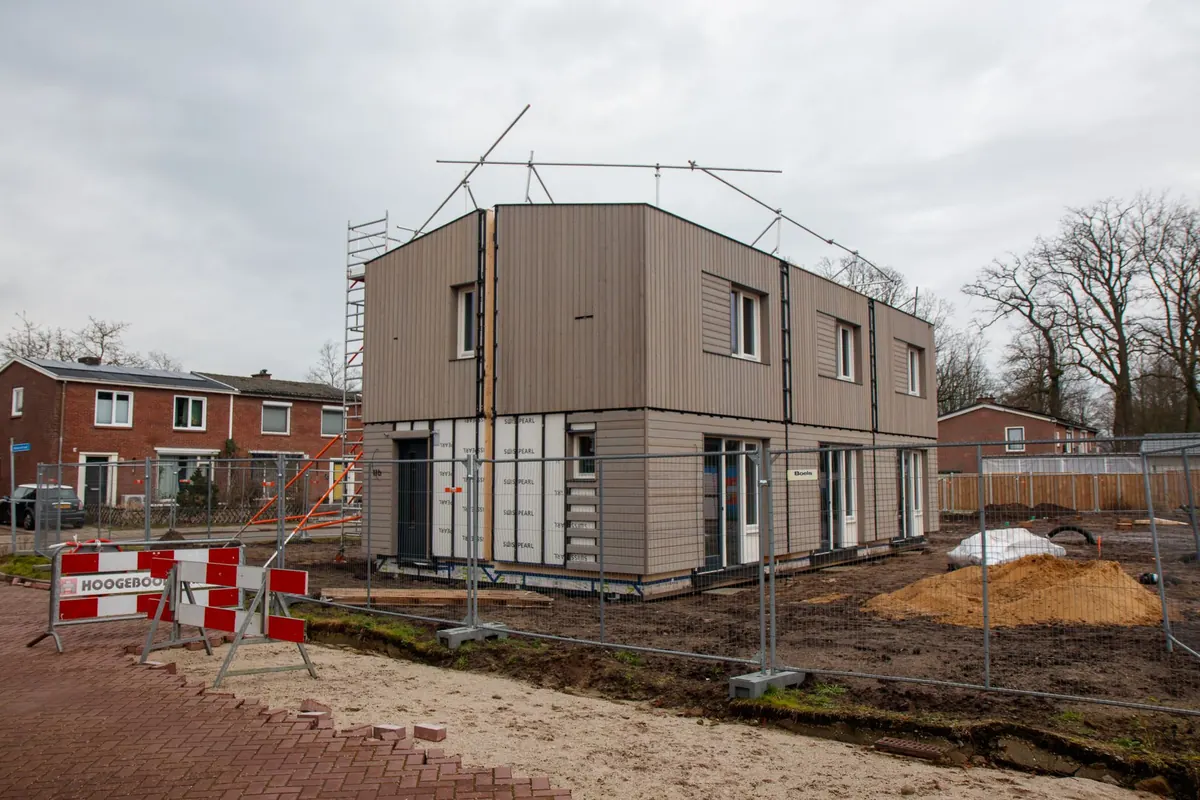
First-Time Buyer Support in Essex: Shared Ownership, Lifetime ISA and Council Schemes Compared
Most first-time buyers in Essex aren't choosing between three equally good options. They're choosing between waiting and saving, stretching their borrowing, or buying a share of a home rather than all of it. The right answer depends on your deposit, your income, how long you plan to stay, and which part of the county you want to live in.
Here's how the main routes actually work, what each one costs beyond the headline figure, and the questions worth asking before you commit to any of them.
Get your own numbers straight first
Scheme brochures are written to make the sums look easy. Your lender won't be. Before you compare anything, sort out these three things:
- Check your credit files with all three main UK agencies. Errors are common, and a wrong address or an old default can quietly cost you a mortgage offer.
- Get an agreement in principle from a lender or through a broker. It tells you roughly what you can borrow and gives estate agents and housing associations something to work with.
- Write down your true monthly ceiling, then subtract council tax, service charges, insurance and travel. Whatever is left is what you can genuinely afford on a mortgage.
If you're buying with someone else, do this jointly. Disagreements about budgets surface late if you don't.
Shared ownership: smaller deposit, shared costs
With shared ownership you buy a percentage of a property — commonly somewhere between a quarter and three-quarters — and pay rent to a housing association on the share you don't own. You take a mortgage on the portion you buy, which is why the deposit needed is smaller than for a full purchase. Eligibility rules and household income caps apply, and local connection often counts.
The costs that surprise people
- Rent on the unsold share, which can be reviewed and increased under the terms of your lease.
- Service charge, sometimes several hundred pounds a month on newer developments with communal areas, lifts or grounds.
- Buildings insurance, ground rent and estate management fees, often bundled into the service charge rather than billed separately.
- Staircasing — buying more of the property later means valuation fees, legal fees and possibly a fresh mortgage.
- Selling restrictions — the housing association usually has the right to find a buyer for a set period, which affects how quickly you can move.
Ask to see the lease before you reserve anything. Read the rent review clause and the staircasing terms, and if the service charge has jumped in recent years, ask why.
The Lifetime ISA: slow, quiet and genuinely useful
A Lifetime ISA is the least glamorous of the three routes and often the most effective. You can open one between 18 and 39, pay in until you turn 50, and the government adds 25% on top of what you save, up to £1,000 a year. For a first home, the property must be priced at £450,000 or less, and if you buy with a partner you can each use your own ISA on the same purchase.
Where a Lifetime ISA bites
- You normally need to have held the account for at least 12 months before you can use it towards a home.
- Withdraw for anything other than a qualifying first home, or after 60, and you pay a 25% charge on the amount taken out — that eats the bonus and some of your own money.
- The £450,000 ceiling is comfortable in much of Essex, but in the commuter belt around Brentwood, Epping Forest and parts of Chelmsford it can be a genuine constraint. Check the cap against the kind of home you want before paying in for years.
- If you're buying with someone who has owned a home before, you generally can't use the ISA for that purchase.
A Lifetime ISA rewards patience. Eighteen months from buying, it's a strong tool. Eight weeks from buying, it's irrelevant.
Council and local support in Essex
Essex has a two-tier structure: Essex County Council alongside district and borough councils, plus the unitary authorities of Southend-on-Sea and Thurrock. Housing support sits mostly with the districts, so the help available in Basildon isn't identical to what's offered in Colchester or Braintree. Worth knowing:
- First Homes — new-build properties sold at a discount, typically 30% or more below market value, delivered through planning agreements. Income caps and a local connection test apply, and they're allocated by priority, so register early and be ready to move quickly.
- Low-cost home ownership registers — many districts keep lists of shared ownership and discounted sale homes and prioritise people with a local connection or key-worker status.
- Housing options teams — primarily set up for renting, but useful for signposting to schemes and for confirming what you qualify for.
- Affordable housing from new developments — a steady trickle of shared ownership and discounted homes comes through planning agreements each year, usually advertised locally rather than nationally.
Ask three questions of every scheme: what do you own, what will you pay each month, and what happens when you sell?
How the three routes compare
- Shared ownership — the lowest deposit route, with ongoing rent and service charges. Best if your income is solid but your savings are thin and you plan to stay put for several years.
- Lifetime ISA — no property attached, just free money for the patient. Best if you're two to five years from buying and can leave the money alone.
- Council-backed and First Homes routes — the best value where they exist, but scarce and tightly rationed by local connection and criteria. Best treated as a bonus rather than a plan.
Many buyers combine them: save into a Lifetime ISA while you're on a shared ownership waiting list, then use the ISA money towards the deposit on your share.
What to do in the next month
Speak to a broker who has actually completed shared ownership cases in Essex, and instruct a solicitor who has read a shared ownership lease before. Most of the frustration in these schemes comes from clauses nobody explained at the viewing stage — rent reviews, staircasing limits, or a service charge that climbs faster than your salary.
Book a slot with your district council's housing options team too. It costs nothing, and they'll tell you which local schemes you're eligible for and when the next allocations are likely.
Finally, be honest about the time frame. If you need to move within a year, shared ownership resales can be slow and restrictive. If you have two or three years, saving hard into a Lifetime ISA while you watch the market is often the calmer path. Property and mortgage decisions carry real financial risk, and rules and eligibility criteria change, so confirm the current position with a regulated adviser or your local authority before you commit.
Photo: Freek Wolsink / Pexels


You Might Also Like
The scams hitting Essex bank accounts, from fake fraud-team calls to parcel texts, plus simple habits that keep your money and details safe.
A practical guide for Essex households on sizing an emergency fund, layering it for quick access, and choosing an account that pays without locking your money away.