Best Savings Accounts for Essex Residents: Easy Access vs Notice vs Fixed Rate
A few thousand pounds sitting in a current account in Chelmsford or Colchester earns close to nothing, and moving it takes about twenty minutes. The hard part is deciding where it should go. Savings accounts come in three broad shapes — easy access, notice and fixed rate — and each one solves a different problem. Choose badly and you either earn less than you should or find yourself needing money you cannot reach until next spring.
One rule sorts most of it: match the account to when you need the cash, not to the highest number on a comparison site.
Start With When You Need the Money
Before looking at rates, split your savings into three buckets by time. Money you might need in the next few weeks. Money you will need in three to twelve months. Money you will not touch for a year or more. Each bucket has a natural home, and once you have done this, the choice of account type is mostly made for you.
Be honest about the first bucket. If your essential outgoings are around £1,800 a month, an emergency fund of three to six months' worth means somewhere between £5,400 and £10,800. If you rent, work freelance or have a single household income, lean towards six months. That money is not there to earn — it is there to be available.
Easy Access Accounts: Your Flexible Base
Withdrawals happen whenever you like, with no notice and no penalty. Rates are variable, so they move with the market, and they are usually the lowest of the three types. Usually — not always. A strong easy access account regularly beats a mediocre fixed deal, so compare what is actually on offer rather than assuming.
Two details are worth checking before you open one. First, bonus rates. Many accounts pay an introductory rate for twelve months that then drops, sometimes sharply. Put the end date in your calendar, because providers rarely remind you. Second, withdrawal rules. A few accounts limit you to a set number of withdrawals a year or charge for each one, which defeats the point of easy access.
This is where your emergency fund belongs, and where short-term money sits while you decide what to do with it.
Notice Accounts: The Middle Ground
You agree to give the provider notice before withdrawing — commonly 30, 60 or 90 days. In return, the rate is usually better than easy access. Some accounts let you take money immediately but charge a penalty, often roughly the interest you would have earned over the notice period.
Notice accounts suit money that is spoken for but not needed imminently: a car replacement next autumn, a tax bill, a deposit you are slowly building. If you have several goals, staggering notice periods works well — a 30-day pot, a 60-day pot and a 90-day pot, so something is always close to accessible.
Keep your emergency fund out of these. When the boiler goes in February, you want same-day money, not a 90-day wait or a penalty.
Fixed Rate Bonds: For Money You Can Leave Alone
You lock a lump sum for a set term, typically one to five years, at a rate that will not change. These normally pay the highest rates for their term length, and you know exactly what you will get. The trade-off is access: most fixed rate bonds pay out only at maturity.
That cuts both ways. If rates rise after you fix, you watch better deals appear and cannot move. If you need the money early, most providers charge a penalty — often several months' interest — which can wipe out what you have earned. Only fix money you are confident you will not need.
A useful habit is laddering: instead of putting £15,000 into one three-year bond, split it across one, two and three-year terms. One matures each year, so you get fresh rates regularly without losing the fixed-rate advantage entirely.
How the Three Types Compare
- Easy access — access: same day or within a day or two; rate: variable; best for emergency funds and money needed within weeks.
- Notice — access: after 30 to 90 days' notice, or immediately with a penalty; rate: usually variable, sometimes fixed; best for money needed in three to twelve months.
- Fixed rate — access: at maturity; rate: fixed for the whole term; best for money you will not touch for a year or more.
The Essex Angle
Branch access still matters to plenty of savers here. Building societies with branches in towns such as Chelmsford, Colchester, Southend and Basildon often offer passbook accounts and counter service, which some people prefer for money they would rather not manage through an app. Credit unions operating across the county are another option, particularly for smaller, regular savings.
Do not overlook the bank you already use — but do not assume loyalty pays. Accounts opened years ago frequently pay a fraction of what a new customer deal pays, and the difference is often worth the twenty minutes it takes to switch.
If you commute into London, keep your savings in a separate account from the one your salary lands in. A little friction stops the money drifting out on a Tuesday evening.
Tax and Protection: Two Details Worth Getting Right
Most basic rate taxpayers pay no tax on savings interest, thanks to the personal savings allowance: £1,000 a year for basic rate, £500 for higher rate, and nothing for additional rate taxpayers. Above that, interest is taxed at your marginal rate. Cash ISAs shelter interest completely, within the annual allowance — check the current figure before you commit, as it can change.
On protection, the Financial Services Compensation Scheme covers £85,000 per person, per eligible institution, if a bank or building society fails. Joint accounts get double that. If you hold more than the limit with one provider, consider splitting it — and check whether two brands share a licence, because they then count as one institution.
This is general information, not personal advice. If you are holding a large sum, running a business or your tax position is complicated, speak to an FCA-regulated adviser or a tax professional.
A Simple Way to Set This Up
- Add up your essential monthly outgoings and multiply by three to six. That figure goes into an easy access account.
- Look at money you will need in the next twelve months and put it in a notice account or a short fixed term.
- Whatever is left and genuinely untouched goes into fixed rate bonds, ideally with different maturity dates.
- Check your FSCS position if any one provider holds more than £85,000 of your money.
- Write down the dates that matter: bonus rates ending, notice periods, bond maturities.
Two or three accounts will cover almost everything. The aim is not to squeeze out the last tenth of a percent — it is to know that the money you might need is reachable, and the money you will not need is working. Review it once a year, or whenever a rate drops, and you will stay ahead of most savers without much effort at all.
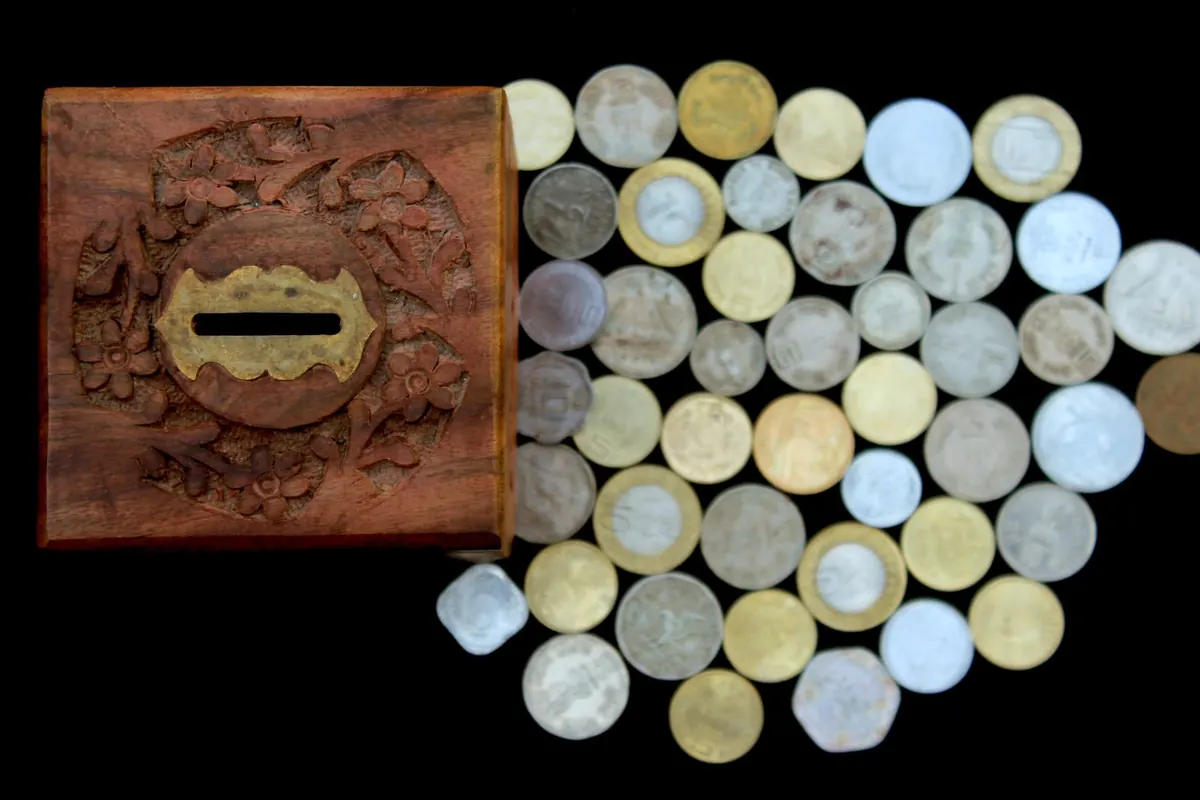
Photo: Debraj Chanda / Pexels

You Might Also Like
The scams hitting Essex bank accounts, from fake fraud-team calls to parcel texts, plus simple habits that keep your money and details safe.
A practical guide for Essex households on sizing an emergency fund, layering it for quick access, and choosing an account that pays without locking your money away.